


Close relationships can bring out both our best and our most challenging sides. Often, the moments of tension, disappointment, or misunderstanding have roots that run deeper than many of us notice. In our work, we have seen how unconscious projection threads itself through the heart of intimate bonds, sometimes making love feel like a maze.
Unconscious projection is when we unknowingly assign our own feelings, motives, or fears to others, often those dearest to us. This process is rarely conscious, but it shapes arguments, expectations, and the way we interpret communication. The closer the relationship, the stronger the impact and the more hidden it can become. Let’s look closely at seven types of unconscious projection we’ve identified, and how each plays out in daily life.
What is unconscious projection?
Projection acts as a psychological defense. When we carry uncomfortable qualities, feelings, or memories that we have trouble accepting, the mind may subtly push them outward. We experience them as if they belong to someone else. In relationships, this can sound like, “You’re so angry,” when in reality, it’s our own anger surfacing, or “You never listen,” when it’s us who are checked out. Often, projection covers fear—fear of rejection, inadequacy, or even vulnerability itself. Let’s look at the forms it commonly takes.
1. Emotional projection
Emotional projection is perhaps the most immediate and common style. It happens when we attribute feelings we’re experiencing (but may not acknowledge) to another. We accuse a partner of being distant, cold, moody, or uncaring, when in truth, those are feelings we are wrestling with inside. This kind of projection is often sparked by stress or when personal emotions become too heavy to sit with directly.
- Example: Someone who is feeling overwhelmed might say to their partner, “Why are you always so uptight lately?” without realizing they’re projecting their own overwhelmed state.
- Impact: Communication can break down rapidly, as the other person feels misunderstood, accused, or frustrated.
“Unspoken emotions can echo through every word we say.”
2. Shadow projection
This form of projection links to the parts of ourselves we judge or dislike—the “shadow.” When we find certain behaviors, attitudes, or qualities unacceptable within ourselves, we unconsciously spot and judge them in those around us. For instance, someone who struggles with envy may accuse their partner of being jealous or resentful, while not recognizing it in themselves.
Shadow projection is about the traits or impulses we deny or repress but cannot forget. They seek expression by being assigned to someone else, usually those closest.
3. Idealization projection
On the flip side, there’s the projection of our ideal self or unmet needs. We might see our partner as perfectly loving, endlessly wise, or completely dependable, stacking expectations no one could meet. This can feel rosy at first but often ends in bitter disappointment once reality intrudes.
Sometimes, this projection feeds cycles of infatuation, codependency, or hero-worship. We tie our self-worth or fulfillment to another’s actions or attributes, not realizing we placed those ideals there to begin with.

We often place someone on a pedestal built out of our own desires, not who they really are.
4. Victim projection
This pattern emerges when someone habitually sees themselves as the injured party, regardless of the actual dynamic. Every conflict, every hard conversation, feels like something “being done to” them. They may blame partners or friends for things not working or insist that others always take advantage of them.
Victim projection often emerges from past wounds or a difficulty in claiming agency. The projected message is “You are hurting me,” even when that might not be true.
- Effect: It creates a power imbalance and prevents true collaboration or growth within the relationship.
5. Persecutor projection
Persecutor projection is the mirror of the victim stance. Here, someone unconsciously casts others in the role of villain or threat. A partner’s mistake becomes an attack. Honest feedback feels like criticism. Differences of opinion morph into betrayal.
We have found that this form often covers up inner criticism, guilt, or insecurity. By disowning these feelings, the person instead sees hostility or malice in others.
“When we turn our inner judge outward, others become the enemy.”
6. Parental projection
This pattern appears when unresolved dynamics with parents, caretakers, or authority figures are transferred onto a romantic partner or close friend. For example, someone might react to their partner’s feedback with clipped defensiveness or intense compliance, echoing childhood patterns they have not yet outgrown.
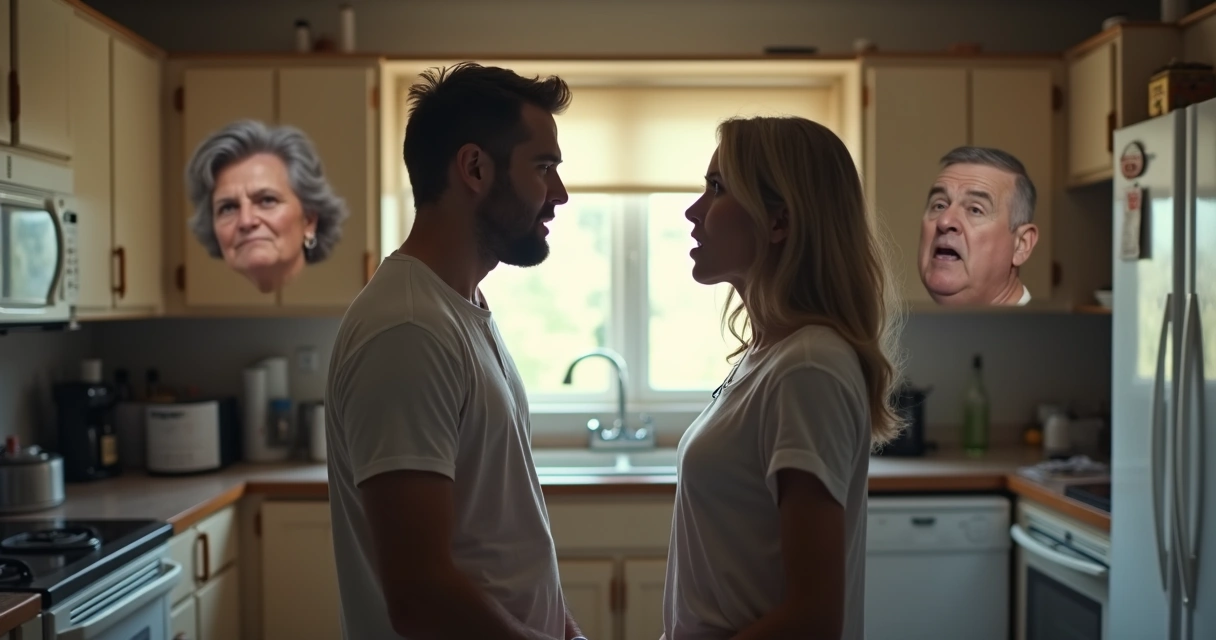
This style isn’t limited to negative interactions: we can also project hopes or ideals of a parent onto a partner, expecting nurturing or unconditional support that maybe fits a parent, but not a peer relationship.
7. Responsibility projection
In this form, we unconsciously hand off our personal responsibilities, decisions, or even happiness to others. If we are unhappy, dissatisfied, or lost, we see our partner as the cause. All needs, frustrations, or even life decisions get laid at someone else’s feet.
This projection prevents us from seeing where our own power or choice lives. The partner might feel burdened or blamed, even when what’s being asked is not something they can provide.
Why does projection happen in close relationships?
Close relationships act like mirrors. The more significant the bond, the more intense the emotional exchange, and the greater the risk for hidden insecurities, dreams, and wounds to go unnoticed. Without regular self-reflection, we may find ourselves tangled in misattributions, deepening rifts out of misunderstandings that started in our own inner world.
“What we refuse to face within, we may end up fighting without.”
What can we do about projection?
Recognizing projection is the first step toward change. The moment we feel pushed to blame, accuse, or idealize, we can pause and ask ourselves: Is this truly about the other person, or is something in me looking for attention?
- Practice self-awareness: Notice emotional spikes, repeated arguments, or reactions that feel out of proportion.
- Ask for feedback: Trustworthy friends or partners can help reflect back patterns we may not see.
- Embrace discomfort: Growth often begins with noticing where we feel exposed, inadequate, or defensive.
An honest look inside can bring far more peace than years of debate about who’s to blame.
Conclusion
Unconscious projection can shape our closest bonds without us even realizing. Each of these seven types—emotional, shadow, idealization, victim, persecutor, parental, and responsibility projections—offers both the possibility for misunderstanding and the invitation to heal. When we notice the stories we put on others, even the ones that sneak up on us, we gain freedom to relate from clarity instead of confusion.
With awareness and care, our relationships can shift from battlegrounds of projections to grounds of genuine connection and understanding.
Frequently asked questions
What is unconscious projection in relationships?
Unconscious projection in relationships means assigning our own overlooked emotions, motives, or insecurities to another person without realizing it. This often happens automatically and can create misunderstandings or conflicts, as we respond to our own hidden issues as if someone else caused them.
What are the types of projection?
There are several types of projection observed in close relationships. These include emotional projection (projecting feelings), shadow projection (traits we dislike about ourselves), idealization projection (projecting our ideal self or needs), victim projection, persecutor projection, parental projection (transferring caretaker dynamics onto a partner), and responsibility projection (placing our responsibilities on others).
How can I spot projection in myself?
One way to spot projection is to notice strong negative or overly positive reactions to someone else’s actions or words, especially if you feel repeatedly triggered over similar issues. Ask yourself if you might be experiencing or fearing something internally that you are seeing in them. Honest self-reflection or getting feedback from others can help reveal patterns you may not easily recognize on your own.
How does projection affect close relationships?
Projection distorts how we see and interact with loved ones. It can lead to recurring disagreements, miscommunication, or emotional distance. Partners or close friends may feel blamed for things they haven’t done or burdened by expectations they cannot meet, making trust and intimacy harder to sustain.
How can I stop projecting onto others?
To reduce projection, start by increasing self-awareness through regular reflection on your emotions and reactions. Pause before responding in heated moments, and ask if your feelings truly belong to the other person or might have roots within yourself. Seeking honest conversations and open feedback can help, as well as practices like journaling or meditation to understand your own mind better.