

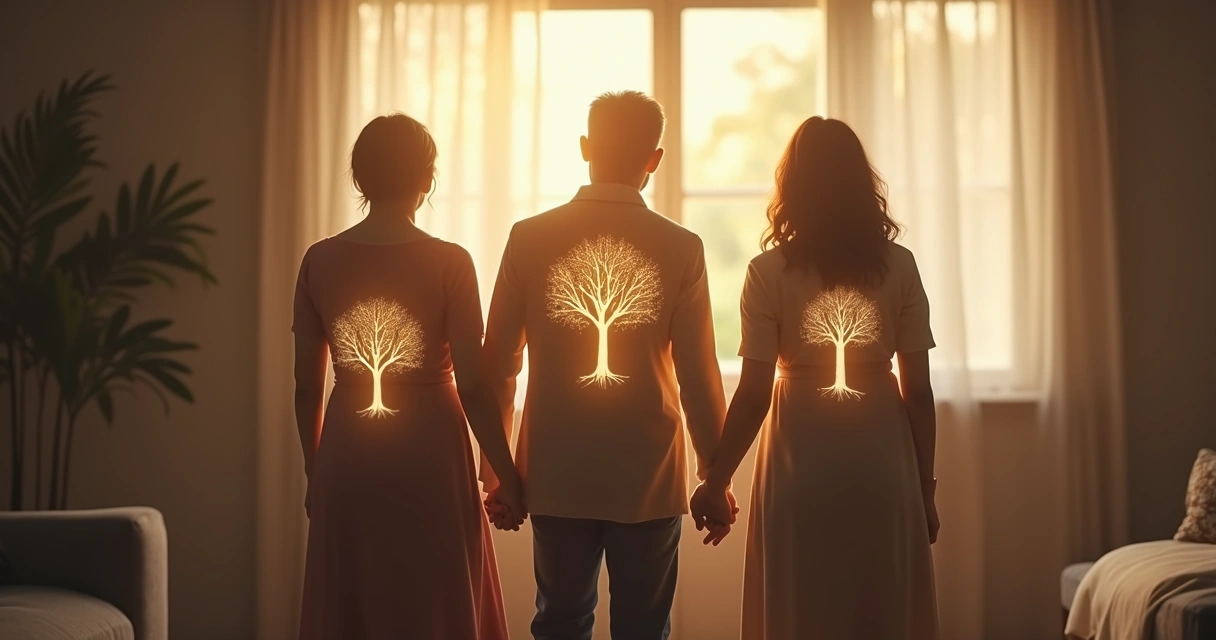
The rhythm of our lives often beats in time with an inherited drum. We may believe our ideas and reactions are unique, driven by personal logic and feeling, but often, in the quiet undercurrent, family patterns do much of the steering. From the moment we arrive in the world, we step into a web of inherited beliefs, emotional tendencies, and life scripts shaped long before we take our first breath. It raises an essential question: what, exactly, do we inherit from our families, and how does this inheritance shape the choices and actions we call our own?
The hidden layers of family inheritance
When we speak of inheritance, material objects come first to mind: heirlooms, property, or perhaps physical traits like our grandmother's eyes. Yet, what passes on through generations is much deeper than this. We inherit emotional habits, relationship dynamics, hidden loyalties, and even certain ways of responding to stress or joy.
In our work and reflection, we have often noticed patterns emerging in the following areas:
- Emotional expression: Some families nurture open displays of feeling, while others encourage silence or emotional restraint.
- Values and beliefs: Ideas about money, success, conflict, and even love are frequently passed down, sometimes without a word being spoken.
- Roles and responsibilities: Who sacrifices? Who serves as the protector? Unspoken rules shape behavior within families for generations.
- Attachment and trust: The way we bond with others is often shaped by family experience, whether through warmth or distance.
These invisible threads are woven from countless tiny moments and stories, binding us more strongly than any visible object can.
Every family leaves a mark. Some are obvious, some are not.
How family patterns are formed
Patterns weave themselves into the fabric of family life as responses to both love and pain. Reactions to hardship, strategies for survival, and ways of expressing care (or withdrawing it) are learned implicitly, often through watching others rather than conscious instruction.
Patterns can originate with experiences that affected ancestors many generations ago. Sometimes, a grandparent’s traumatic event echoes through time, subtly influencing a grandchild’s fears or responses. Family patterns can also form from repeated behaviors, stories told each holiday, or the way everyday disagreements are resolved.
Key factors that support the formation of family patterns
In our observation, a few factors are especially strong in forming these patterns:
- Imitation: Children naturally absorb behaviors and beliefs from caregivers, replaying them in later life.
- Shared narratives: Family stories, especially those told repeatedly, reinforce what is possible or acceptable within the group.
- Emotional climate: A family’s regular emotional state—whether anxious, joyful, pessimistic, or optimistic—creates a baseline for new members.
- Transgenerational events: Major events like loss, immigration, or sudden fortune can create patterns that outlive those who experienced them first.
How inherited patterns shape actions in daily life
Our actions, choices, and even the obstacles we face can often be traced back to family patterns—sometimes in the way we relate to authority, money, or relationships, or in our confidence or doubt when facing the new. Some of us may repeat our parents’ careers, others unconsciously choose partners who evoke a familiar dynamic, positive or negative. Even unfulfilled dreams can echo, shaping our ambitions or fears centuries later.

Sometimes we see ourselves acting against our supposed philosophy. A person who deeply values independence finds themselves acquiescing, time and again, in family matters. Or, a mother’s lifelong anxiety quietly becomes her daughter’s background hum.
Some choices are echoes, not decisions.
We have found that people often react with surprise when they spot these patterns. “Why do I always avoid conflict?” or “Why do I take on too much?” may not be personal quirks after all, but part of a family script written long before we noticed.
Recognizing family patterns within ourselves
Recognition is the first step toward making new choices. In our experience, some signs can help us notice when we are in the grip of a family pattern rather than personal choice:
- Feeling as if our reactions appear automatic or hard to shift.
- Experiencing strong emotions in specific situations without clear cause.
- Noticing that family members respond in very similar ways to stress or celebration.
- A sense of obligation or guilt when considering a different path.
Spotting these patterns isn’t always pleasant, but it is often a relief. It gives us room to respond, not simply repeat.
Transforming family patterns: Is change possible?
Change can be slow, but it is possible. The process begins by observing our lived experience and asking: is this action truly mine, or is it inherited? In our work, we have watched people reclaim choice instead of following an invisible script.
Here are some ways transformation often unfolds:
- Awareness: Bringing a pattern into conscious awareness reduces its unconscious power.
- Reflection: Reflecting on the pattern’s origin helps soften blame, both for ourselves and previous generations.
- Gentle experimentation: Trying new ways of responding in small, safe steps can help build new habits.
- Clear intention: Setting clear intentions to act differently supports gradual change and provides motivation.
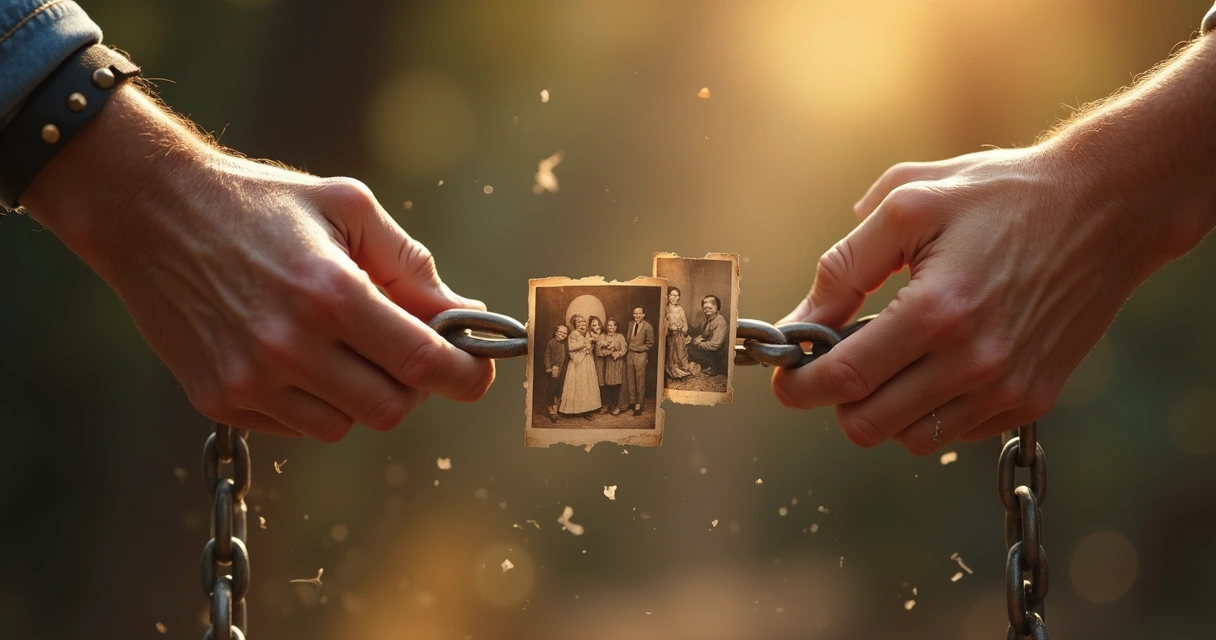
This work is not just personal. When we interrupt a pattern—by speaking openly when our family hides, or by setting boundaries where there were none—change ripples outward. Children, partners, and even distant relatives feel the difference, even if only subtly.
When patterns serve us—and when they do not
Not all family patterns limit us. Some are rooted in resilience, love, and inner strength. We inherit capacities for kindness and courage just as we inherit challenges. Becoming conscious of our patterns lets us keep what serves and gently change what no longer fits the life we wish to create.
We are not just products of our past. We are authors of what follows.
Conclusion
Family patterns move quietly, but their effects are visible in every corner of our lives. By recognizing what we truly inherit—beyond blood and belongings—we gain a new way of seeing ourselves and those who came before. With this awareness, we step out of the shadows of old scripts and begin to write new ones. We see that change is possible. Our actions become more intentional, and our lives, bit by bit, more fully our own.
Frequently asked questions
What are family patterns?
Family patterns are repeated behaviors, emotional responses, beliefs, and relationship dynamics passed from generation to generation within a family. These patterns can be visible or hidden, shaping how family members relate to each other and their environment.
How do family patterns affect actions?
Family patterns influence actions by creating default responses, habits, and expectations that guide how we react in different situations. Often, these habits feel automatic and shape how we handle conflict, show love, make decisions, or cope with stress.
Can family patterns be changed?
Yes, family patterns can change. Bringing these patterns into awareness is the first step. Deliberate reflection and practicing new behaviors make it possible to shift patterns over time and create new possibilities for ourselves and future generations.
What do we inherit from families?
We inherit not only physical traits, but also emotional habits, ways of thinking, beliefs, and relationship styles from our families. These include attitudes toward money, conflict, affection, and even roles within the family structure.
How to break negative family patterns?
Breaking negative family patterns begins by noticing and understanding them. Reflecting on their roots, choosing new responses, and practicing different behaviors help break the cycle. Sometimes, support from therapy or honest conversation with family members can also help shift old patterns.