


Some people fight the same fight for years. The faces change. The place changes. The words change. Yet the emotional pattern stays almost the same.
In our experience, this is often not random. It can point to what many call shadow loyalty, a hidden bond to a pain, role, or family pattern that still lives inside the person. They may say they want peace, but part of them stays loyal to conflict because conflict feels familiar, safe, or morally right.
Shadow loyalty is an unconscious attachment to old emotional bonds that keeps repeating painful habits.
This does not mean people enjoy suffering. Most do not. It means the inner system may still believe that letting go of conflict would be a betrayal. A person may stay angry to remain connected to a wounded parent. Another may keep proving themselves in every disagreement because calm once felt like neglect.
We have seen this pattern in couples, families, teams, and friendships. A small event starts the tension, but the reaction is much bigger than the moment. That is the clue. The present event is real, yet it touches an older loyalty hidden below awareness.
When conflict becomes identity
Chronic conflict habits rarely begin as habits. They begin as protection. A child learns that silence means danger. Or that only strong emotion gets attention. Or that agreeing with others leads to shame. Later, the adult carries the same map into new relationships.
At first, the habit seems justified. The person argues to defend truth, distance themselves to avoid hurt, or attacks before being attacked. Over time, the pattern hardens. It becomes part of identity.
We repeat what once helped us survive.
This is why some people feel empty when there is no conflict. Peace can seem strange. Mutual respect can feel weak. Direct conversation can feel threatening. Their nervous system is not used to calm, so calm gets read as risk.
Common chronic conflict habits linked to shadow loyalty include:
Starting arguments over minor signs of disrespect
Turning feedback into personal attack
Withdrawing so others feel the same rejection once felt inside
Trying to fix everyone while quietly building resentment
Choosing emotionally unsafe people again and again
These habits may look like personality traits. Often, they are old emotional duties still asking to be seen.
What shadow loyalty is really loyal to
We think it helps to be precise here. Shadow loyalty is not only loyalty to a person. It can also be loyalty to a role, a feeling, or an unfinished grief.
Someone may stay loyal to the role of the rejected one. Another may stay loyal to the burdened one, the rescuer, the outsider, or the one who never softens. These identities carry a secret sentence inside them, such as: if I stop doing this, I stop belonging.
Many conflict habits are less about the current problem and more about preserving an old inner bond.
We have noticed four common forms of this hidden loyalty:
Loyalty to family pain. A person keeps suffering because ease feels unfair when others suffered.
Loyalty to a past version of self. They stay defensive because being soft would contradict who they had to become.
Loyalty to unresolved injustice. They keep fighting because resting feels like accepting what was wrong.
Loyalty to belonging. They repeat the emotional style of their group so they do not feel separate from it.
We once heard someone say, very quietly, “If I stop being angry, I feel like I leave my mother alone in her pain.” That sentence explained years of broken relationships in a single moment.
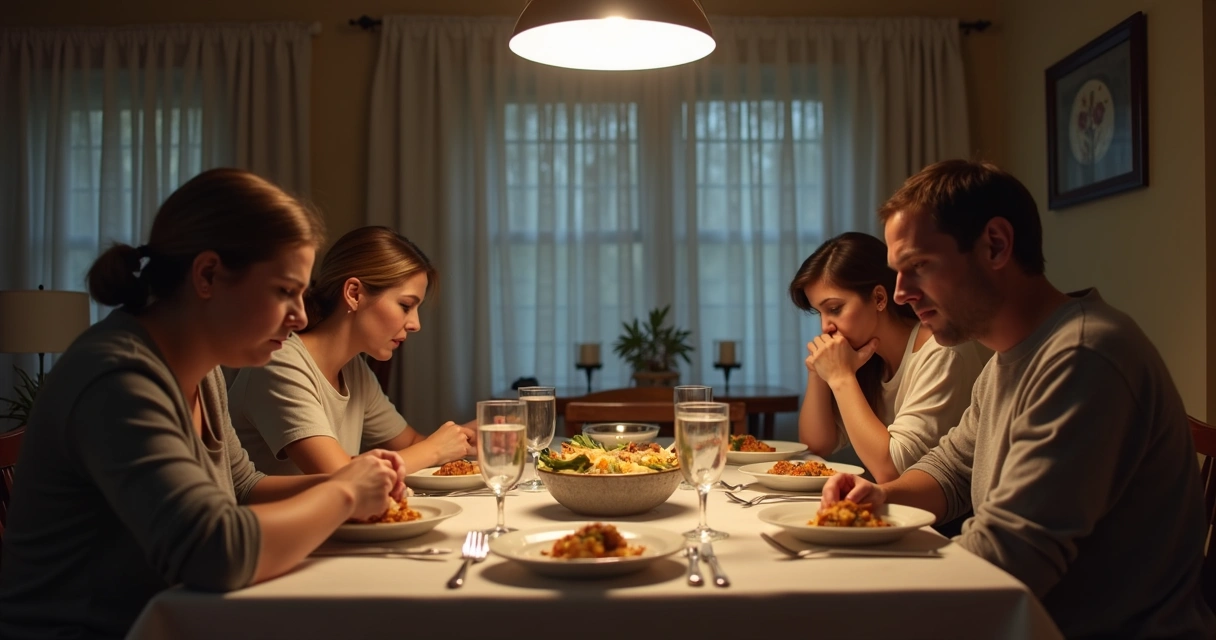
How hidden loyalty fuels repeated clashes
Once we see the loyalty, the conflict pattern starts making sense. The person is not only reacting to what is happening. They are protecting a bond that lives below the surface.
This creates several effects.
First, the person overreads threat. They hear a simple disagreement and feel betrayal. Second, they choose familiar tension over unfamiliar peace. Third, they often pull others into set roles, such as the critic, the victim, the distant one, or the one who must apologize first.
The result is repetition. New day, same script.
In practical terms, hidden loyalty often keeps conflict alive through these moves:
Reading neutral moments through old emotional memory
Reacting before checking what is true now
Needing others to confirm a long-held inner story
Feeling guilty when a healthier response becomes possible
Chronic conflict often survives because peace feels like disloyalty to the past.
That sentence can be hard to accept. Still, when we sit with it honestly, it explains a lot.
Signs we may be acting from shadow loyalty
Most people do not notice the pattern at first. They only feel tired, reactive, or misunderstood. Yet there are signs that point to a hidden loyalty beneath the conflict habit.
We may be dealing with shadow loyalty when:
The same type of conflict appears in very different relationships
Our reaction is much stronger than the event itself
We feel guilty, numb, or restless when things become calm
We defend patterns that clearly hurt us
We keep saying, “This always happens to me”
We can explain others very well, but struggle to name our deeper fear
One simple question can help: what would I lose if this conflict truly ended? The first answer may be polite. The second one is often more honest.
Peace can feel unfamiliar before it feels safe.
How change begins
Change does not begin by blaming ourselves for old patterns. It begins by seeing the loyalty with respect. Many of these habits were built in love, fear, or grief. They were attempts to stay connected, protected, or fair.
That is why force rarely works. If we attack the pattern, the inner system defends it. If we listen to it, something softens.
In our view, healing starts with three movements:
Name the pattern without drama. Say clearly what repeats.
Ask what bond the pattern protects. Who or what does it stay loyal to?
Practice a new response in small real moments, not only in theory.
This may sound simple, but it can feel deeply emotional. A person may need to grieve the family role they carried. They may need to admit that conflict gave them identity. They may need to separate love from suffering for the first time.

Conclusion
Shadow loyalty shows us that chronic conflict habits are often more than poor communication or a bad temper. They can be signs of an old inner promise still running in the dark. When we keep repeating the same emotional struggle, we may be trying to stay faithful to pain, identity, belonging, or unresolved love.
Seeing this does not excuse harmful behavior. It gives us a deeper path to change it. Once the hidden loyalty becomes visible, choice returns. We no longer have to keep proving our bond through suffering. We can honor where we came from without repeating its wounds.
That is when conflict stops being fate and starts becoming information.
Frequently asked questions
What is shadow loyalty in relationships?
Shadow loyalty in relationships is an unconscious bond to past pain, family patterns, or old roles that shapes how we connect now. It can lead us to repeat unhealthy reactions because part of us feels tied to those older emotional dynamics.
How does shadow loyalty cause conflict?
It causes conflict by making current situations feel loaded with old meaning. A small disagreement can trigger a larger reaction because the person is not only responding to the present. They are also defending an unseen inner loyalty.
Can shadow loyalty be changed?
Yes, shadow loyalty can be changed when it becomes conscious. As we notice the repeated pattern, understand what it protects, and practice different responses, the bond loses its hidden control and healthier choices become possible.
What are signs of shadow loyalty?
Signs include repeating the same conflict in different relationships, reacting more strongly than the moment seems to justify, feeling uneasy during peace, and holding onto habits that clearly cause pain but still feel strangely necessary.
How to overcome shadow loyalty habits?
We overcome them by observing recurring conflict patterns, naming the older bond beneath them, allowing grief or fear to be felt, and building new responses step by step. Supportive reflection, honest dialogue, and steady self-awareness all help this process.