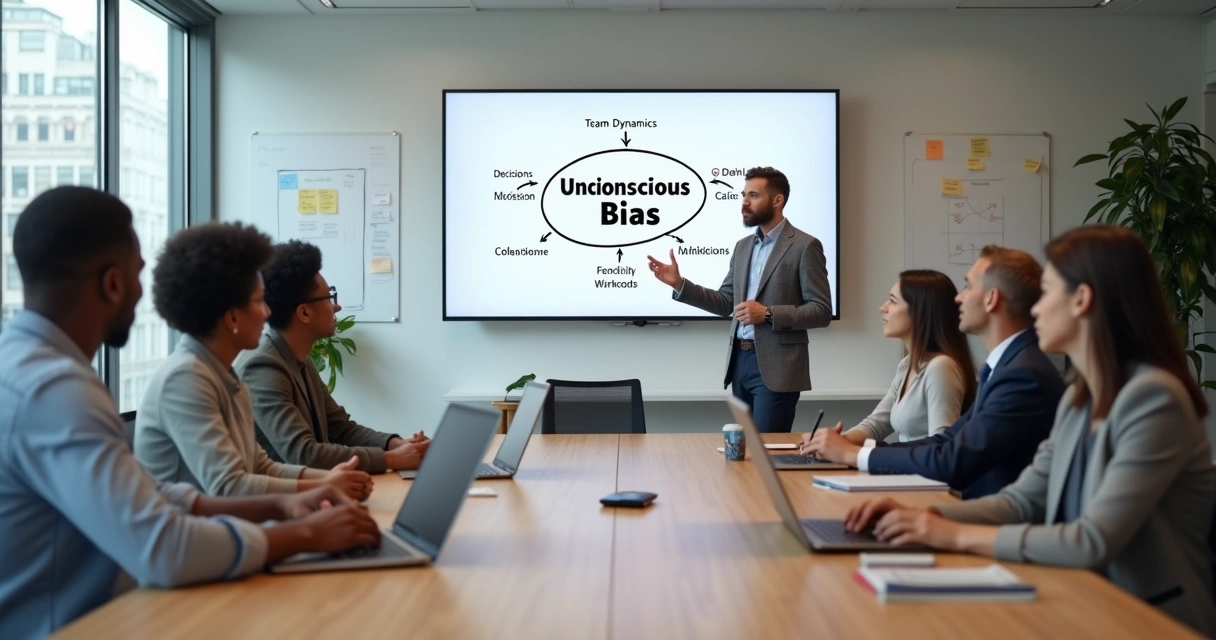
Teams are powerful. When we join our efforts, our minds move in ways that shape projects, cultures, and results. But beneath the surface, a silent influencer shapes these outcomes: unconscious bias. Many of us believe we see others clearly, guided only by facts, but our backgrounds, experiences, and hidden beliefs quietly guide our judgments.
How unconscious bias appears in teams
Unconscious bias is our automatic tendency to favor people who are similar to us or to make snap judgments based on hidden preconceptions. These mental shortcuts are not intentional. They live in our roots, formed by past experiences, culture, family, and sometimes even the stories we tell ourselves. In a team, they show up in surprising ways:
- Choosing certain people to speak during meetings—often those who already look or think like us.
- Assigning high-visibility tasks to people we feel comfortable with, sometimes for reasons we can't explain.
- Misinterpreting feedback or creativity, simply because someone has a style we do not relate to.
- Resisting new ideas that challenge unseen group values or habits.
We have seen it: the team that always hears from the same voices, while others sit quietly, unnoticed. Or the project that never gets assigned to the “outsider”, even when they are highly capable. These moments might seem random, but often, bias is working quietly behind the scenes.
The invisible cost to team dynamics
At first, the effects may be hard to see. The meetings “feel fine.” Work gets done. But when we look closer, bias sends ripples through the group. What does this look like?
Voices go unheard and trust weakens.
- Team members who feel invisible may withdraw, offering fewer ideas or stepping away from taking risks.
- Subtle bias sparks tension and frustration, which sometimes shows as gossip or miscommunication.
- The group loses out on creativity, because sameness takes over.
- Bias creates an atmosphere where feedback and growth stop flowing.
We have noticed that as bias shapes behavior, team spirit suffers. People feel less safe being themselves. The willingness to share, learn, or support others gets thinner. And over time, team results flatten out too.

Why do we all have bias?
Bias is a human trait. Our minds look for patterns, often without us knowing. We carry the ideas planted by our families, schools, and even the media. Over time, these become shortcuts in decision-making.
No one is immune, not even the most self-aware team member or leader. If we are honest, most of us have had moments when we judged too fast. Maybe we ignored someone’s input because it “felt off,” or gave extra trust to someone who reminds us of ourselves. It’s rarely malicious. But it is real.
The good news is bias can be seen, named, and changed.
Hidden ways bias shapes group decisions
Hidden bias does not just affect who speaks or gets attention. It shapes decisions in deeper ways. We have seen teams where:
- Problems are solved with the same type of solutions because fresh perspectives are dismissed without clear reason.
- Promotion or recognition quietly favors some, but not others, based on old habits or subtle preferences.
- Well-meaning feedback sounds supportive to one person, but overly harsh or too soft to another, depending on unspoken expectations.
When unchecked, bias holds back everyone, not just a few team members. The flow of trust, learning, and courage to try new ideas is blocked.
How teams can address unconscious bias
We cannot remove bias by wishing it away, but we can bring awareness. Here is what we find helps when teams want to grow:
Make bias visible
Start with safe, honest conversations. We all have bias, and naming it together lowers the shame. Share stories where bias may have changed a decision. When one person speaks up about a habit, others often see themselves and join in.
Build new routines for fairness
Change does not come just by noticing. So we suggest routines like:
- Rotate who leads meetings or presents work.
- Keep decision-making steps clear and open, so everyone knows on what basis choices are made.
- Pair team members from different backgrounds to work together, so habit gives way to new experience.
- Ask quiet team members for input first, not last, so voices are balanced.
The more routine and structure, the less bias can sneak in.
Learn to listen and reflect
Bias shrinks in the light of real curiosity. We recommend active listening and asking questions before forming judgments. When in doubt, ask: What story am I telling myself about this person? What facts do I have? Curiosity opens space for deeper learning.
Keep learning, together
Bias work is never done with one meeting or policy. Group awareness grows when feedback is welcomed, blind spots are discussed, and shared learning is continual. In our experience, the more we learn together, the safer it becomes for everyone to speak and be heard.
Conclusion
Unconscious bias shapes our teams even when we mean no harm. We all have hidden patterns and stories that guide our choices, and those patterns shape who is seen, heard, and trusted. By making bias visible and building new habits, teams can become safer, braver, and more creative places. Addressing bias is not about blaming or shaming, but about growth and fairness. With small changes, steady learning, and honest conversation, teams move toward more trust and openness. And when that happens, everyone wins.
Frequently asked questions
What is unconscious bias in teams?
Unconscious bias in teams refers to the automatic judgments or assumptions we make about others without realizing it. These biases often come from our experiences, culture, and upbringing, and they affect how we perceive, interact with, and respond to team members. Unconscious bias can lead to unfair treatment, even if we have good intentions.
How does bias affect team dynamics?
Bias changes team dynamics by shaping who gets opportunity, attention, and trust. It can create divisions, silence unique voices, and make people feel isolated. As a result, collaboration, creativity, and communication often suffer within the group.
How can I identify my own bias?
To spot your own bias, start with honest reflection. Notice situations where your reactions surprise you, or when you favor certain people or ideas without clear reason. You can also seek feedback from others and pay attention to patterns in your decisions. Openness to self-examination is the first step to recognizing hidden bias.
What are ways to reduce unconscious bias?
You can reduce unconscious bias by encouraging open conversations about bias in your team, implementing fair routines for decision making, inviting input from everyone, and practicing active listening. Rotating responsibilities, using structured processes, and working with people from diverse backgrounds also help weaken bias over time.
Can training help overcome unconscious bias?
Training can help by raising awareness and giving teams tools to recognize and address hidden bias. It works best when followed by practical changes and ongoing discussions in day-to-day work. Training alone is not enough, but it is a valuable part of building a fairer, more open team environment.