
We all hold values—deep beliefs and guiding principles that shape our lives and decisions. Yet, when we stand at the crossroads of change, these values do not always remain fixed. Instead, life’s big transitions often spark a process of re-evaluation and transformation. But why does this happen? What is it about moving through new stages—like changing careers, ending relationships, facing illness, or welcoming children—that causes our deepest priorities to shift?
How major life events shape our values
Sometimes, a single phrase captures the feeling:
“Everything changed after that.”
In our experience, moments like this—graduations, losses, moves, or milestones—do more than disrupt our routines. They can shake the very foundation of what matters most to us, not merely on the surface, but in the silence of our intentions and beliefs.
Major life events force us to confront what truly matters, often stripping away comfort or assumptions we held before. This is not just a matter of circumstance, but a deep internal process. Core values such as security, freedom, connection, or growth may take on new importance, while others feel less relevant. We notice this not just in ourselves, but in those we support and observe during their own transitions.
- The move to a new city brings independence into focus, while familiar comforts fade in importance.
- The end of a long relationship might shift our values from loyalty to self-compassion or authenticity.
- Becoming a parent can suddenly elevate responsibility, care, or legacy as guiding forces.
- Experiencing a health scare may move health, presence, or gratitude to center stage.
In our view, values are not just abstract words, but felt experiences. That’s why they shift powerfully when life rises up and asks us to choose, adapt, or begin again.
Why values are flexible, not set in stone
We tend to think about values as stable—the “north star” guiding our lives. But in reality, most of us discover over time that our values evolve. This evolution is not a sign of weakness or instability. Instead, it’s an expression of our growth and maturity. When our circumstances, relationships, or inner world change, our deepest priorities naturally respond.
In our experience, several factors contribute to this natural process:
- New information and perspectives: Major events force us to see things differently, often breaking old patterns of thought and opening space for new beliefs.
- Changes in identity: As we take on new roles—graduate, parent, survivor—our sense of self shifts, and so do our values.
- Emotional growth: A crisis or joyful event can expand our emotional range, helping us embrace values like acceptance, courage, or kindness.
- Need for coherence: When life disrupts our familiar path, we seek to re-align our actions and beliefs, searching for deeper meaning or wholeness.
Our values are flexible because we are always growing, learning, and facing new realities. In this sense, changing values are not a problem, but a sign of life.
How inner conflicts drive value shifts
Most of us have felt the tension that arises when our actions no longer align with what we believe is right. In our work and personal lives, we’ve seen that these moments of internal conflict are often triggered by big transitions. Sometimes, what used to make sense—working long hours, prioritizing status, or staying silent—suddenly feels empty or wrong.
This internal struggle sparks important questions:
- “What do I truly care about now?”
- “Are these beliefs still serving me?”
- “Am I being honest with myself?”
- “Have I outgrown old habits?”
The push and pull between old values and emerging needs can be uncomfortable. Yet, facing these questions honestly is how we find clarity and rediscover what matters most in our new reality. During these times, value shifts are a sign of integration, not confusion. When we listen to this inner dialogue, it guides us through the uncertainty of transition and toward a deeper sense of alignment.
Signs that your values are changing
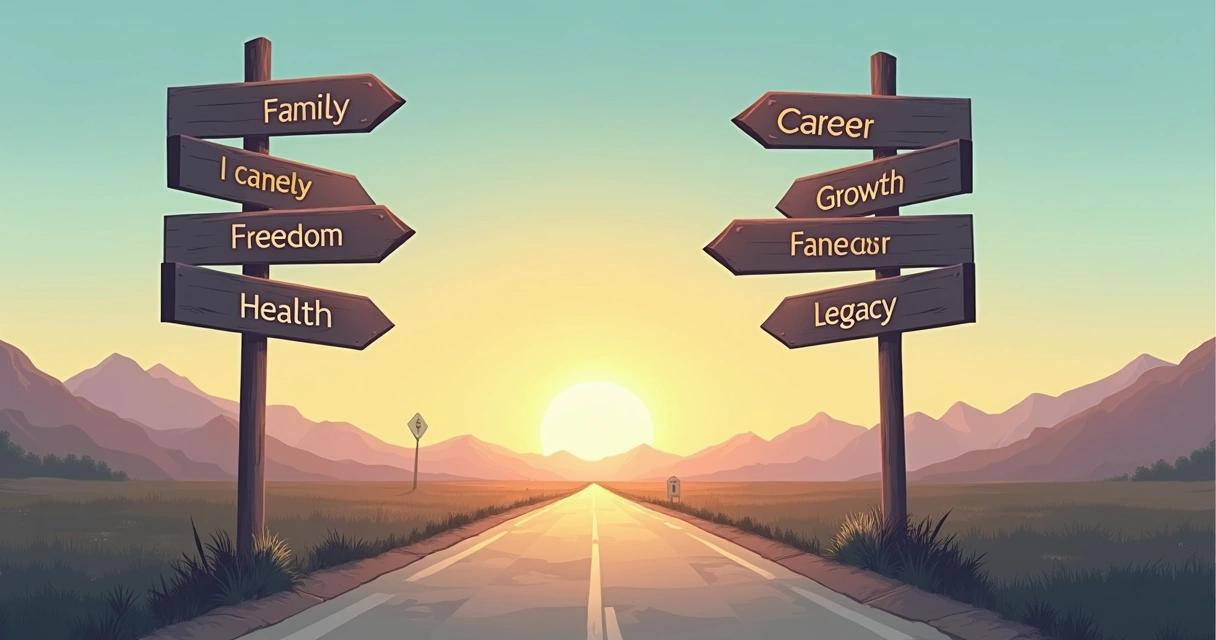
Sometimes, it’s obvious that our values are shifting. Other times, it’s subtle—an uneasy feeling, a restlessness, or a growing urge to make a change. In our observations, people often encounter:
- A sense of frustration or boredom with familiar routines or goals.
- Discomfort when doing things that once felt right.
- A search for new meaning or deeper purpose in everyday life.
- Increased sensitivity to actions or beliefs that conflict with our intuition.
- Desire to connect with new people or ideas that reflect our growing sense of self.
These signs can signal an invitation—not a problem. It’s the mind and heart letting us know that something is ready to shift.
How to approach changing values with clarity
We believe that value shifts during transitions should not be feared or denied. Instead, they present an opportunity for conscious growth. Here’s how we can engage with this process honestly and constructively:
- Notice the change. Pay attention to moments of discomfort, longing, or inspiration—they are often signals of shifting priorities.
- Pause for self-reflection. Ask open-ended questions such as: “What feels out of sync? What do I want to honor now?”
- Let go of judgment. Accept that change is natural, and that moving on from old priorities is part of becoming yourself in a new context.
- Test new actions. Try aligning behavior with your emerging values, even in small ways. This helps clarify which new priorities feel authentic.
- Be patient. Value shifts are a process, not an instant decision. Give yourself room to change and re-align over time.
By approaching changes in values with curiosity, self-awareness, and compassion, we can turn transitions into turning points for deeper fulfillment.

Values and identity: embracing who we are becoming
As we move through life’s big transitions, our evolving values shape not only our choices but also our sense of who we are. Each change invites us to let go of outdated roles and embrace a fuller, more authentic version of ourselves. This process can be challenging, sometimes painful. But it is the path to greater coherence and integrity in our lives.
Change brings us closer to who we are meant to be.
We see this again and again: those who allow themselves to update their values in response to life’s changes tend to feel more at peace, more engaged, and more alive. This is not about abandoning the past, but about carrying forward what still fits and gently releasing what does not.
Conclusion: The gift in value transformation
Major life transitions do not just change our outer world—they invite us to revisit and sometimes remake our deepest values. When this happens, we have a choice: resist the discomfort, or meet it with awareness. When we choose to grow, transforming our values becomes a source of strength, flexibility, and joy. We discover that we are always in the process of becoming—and that our values can, and often should, change as we do.
Frequently asked questions
What are values in life transitions?
Values in life transitions are the beliefs and guiding principles that help us decide what is right, meaningful, or important as our lives change. During transitions, these values may shift or evolve to better match our new circumstances and personal needs.
Why do values change after big events?
Big events challenge our assumptions, reveal new possibilities, and often highlight needs that were less obvious before, causing us to re-examine and update our values. These shifts help us navigate new realities with greater confidence and honesty.
How can I find my new values?
Start by giving yourself space for reflection. Notice what feels out of alignment and ask yourself questions about what you care about now versus before. Journaling, honest conversations, or mindful pauses can all help bring your new values into focus over time.
Is it normal for values to shift?
It is completely normal for values to shift, especially during times of significant change or growth. Values reflect our lived experience, and as life changes, so do our inner priorities.
How do I align actions with values?
Begin by identifying which actions feel true to your current values. Make small decisions that reflect what matters most to you and adjust course as needed. This practical alignment builds confidence and supports deeper change over time.