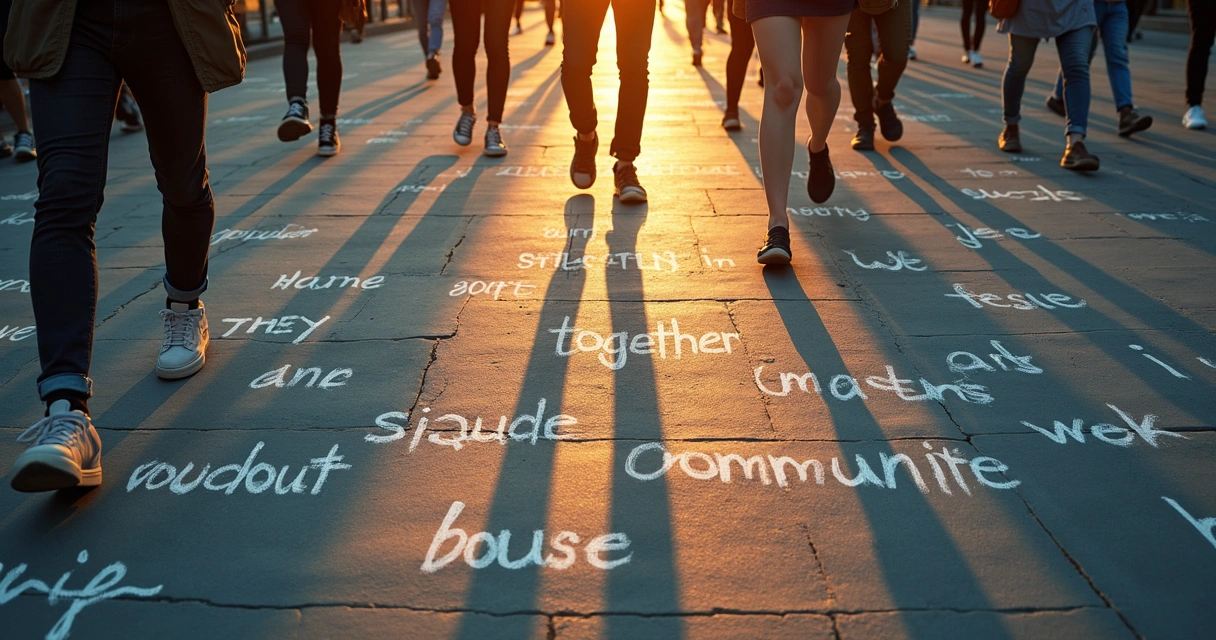


In 2026, the language of influence is everywhere. We see quotes about leadership and thriving. We read stories about bold individuals supposedly changing everything overnight. In our experience, the idea that personal influence shapes society is taken for granted, but many misunderstand what influence truly means—and what it can or cannot do for collective results.
Let’s address five persistent myths about personal influence and social outcomes as we look ahead, based on what we have learned, witnessed, and tested. Some of these ideas sound appealing, but the reality is much deeper.
Myth 1: Influence is all about popularity and charisma
We often notice that people equate influence with being popular, admired, or magnetic. It’s easy to think the most visible, charming person is the one moving things forward. In our research, we have found this idea to be too simple.
- Popularity is the tip of the iceberg, not the source of change.
- Charisma opens doors, but consistency, credibility, and daily actions are what actually shape outcomes.
- True influence comes from lived integrity and emotional maturity, not from how many people know your name.
If influence were based only on visibility, we would see lasting changes led by only the most famous people. But history tells another story. The deepest transformations often start with those who act from principle, regardless of recognition.
Being seen is not the same as being heard.
As we look around in 2026, we see many visible figures whose impact is real but shallow, and quiet individuals quietly shifting cultures from within. The difference is in the substance of where influence comes from.
Myth 2: One person can single-handedly change society
We all admire stories of solo heroes—someone who rises above the crowd and fixes giant problems alone. This is a compelling narrative. However, we have seen that influence never operates in a vacuum.
- No one influences alone: families, teams, organizations, and societies co-create all meaningful progress.
- Change emerges from countless interactions, not from isolated acts.
- The “hero” is almost always supported by networks of less visible contributors who also matter.
The myth of the lone savior leaves out everyone supporting the process—sometimes quietly, sometimes actively—but always present.

While we love inspirational stories, what survives is not one grand act by one individual but the millions of small acts that ripple outward, weaving together collective change.
Myth 3: Social outcomes are mostly shaped by laws and external systems
In our daily lives, we often hear the same question: “Can a single person’s choices really move society if government, rules, and institutions are what matter most?” It might look like large systems alone dictate the future.
But when we look closer, we see:
- Laws and policies are created by people, shaped by their beliefs and emotional states.
- Social structures reflect thousands of everyday choices and relationships.
- What is seen on the outside always has invisible roots inside people—within values, intentions, and attitudes.
Invisible beliefs shape visible worlds.
Systemic change, when it happens, is the result of countless moments where individuals chose differently in small personal contexts and then brought these changes into public life. In 2026, we see this process accelerating as more people recognize the link between inner quality of being and external realities.
Myth 4: Influence works instantly in the digital era
We live in a digital age where trends shift overnight, and a single post can reach millions. It’s tempting to believe that real influence is now immediate.
But we have observed something different:
- What is viral is not always lasting.
- Enduring influence is built on trust, not on likes or shares.
- Quick results may not equal meaningful outcomes; sometimes speed only brings superficial shifts that fade just as quickly.

In our experience, lasting transformation, whether at work or in communities, is always the product of persistent engagement, repeated conversations, and a willingness to act with coherence—no matter how long it takes.
If digital visibility were the same as true influence, all trends would become new norms. But we see that only a small number actually do. The rest vanish quickly, leaving little trace.
Myth 5: Influence is fixed and determined by personality
Another common misconception is that influence is only for the “born leaders”—the confident, extroverted, or naturally persuasive. In reality, personal influence is not fixed. Our experience tells us:
- Everyone can grow their influence through self-understanding, emotional growth, and responsibility.
- Cultural messages that tell us only certain types of people have “what it takes” actually restrict human possibility.
- Influence develops as we become more present in our choices and honest in our actions.
Instead of seeing influence as a rare gift, we have found it helps to see it as something lived and practiced, one decision at a time—and open to anyone, wherever they start.
Influence grows with presence.
This opens the door for social outcomes that include everyone, not just the loudest voices or the most visible faces.
What is truly shaping outcomes in 2026?
The myths above persist because they are comforting or exciting, but genuine influence in 2026 is neither magical nor limited. We have seen again and again that collective results emerge from:
- Clarity of intention—how deeply people connect to what matters and act from it.
- Consistency—aligning inner life with outer actions, even in small choices.
- Relationships—how we handle differences, listen, and build bridges.
- Responsibility—owning the impact of our words, thoughts, and decisions.
- Emotional maturity—the willingness to work with our own reactivity, not project it outward.
These elements are present in society-makers, family-shifters, and cultural connectors of every background—regardless of fame, starting point, or digital reach.
Conclusion
In 2026, personal influence is not about popularity, lone heroics, rigid systems, overnight trends, or fixed personality. It is lived in daily choices, nurtured quietly, and spreads through invisible threads of intention and relationship. When we recognize where influence starts and how it moves, we see that social outcomes are—always—built one inner decision at a time.
Who we are on the inside shapes what grows on the outside.
Frequently asked questions
What is personal influence in 2026?
Personal influence in 2026 means the real effect our thoughts, emotions, and actions have on the people around us, both in person and online. It is shaped less by popularity and more by the internal coherence and responsibility we express each day.
How does influence affect social outcomes?
Influence affects social outcomes by radiating the quality of our intentions, language, and choices outward. Social patterns, relationships, work environments, and even institutional results are formed when individuals take responsibility for their part. Every conscious choice contributes to a culture, just as every unconscious reaction reinforces patterns that already exist.
Are popular people more successful now?
Being popular is not the same as having true impact or lasting success in 2026. Popularity may open doors but real progress comes from trust, presence, and alignment between words and actions. History confirms that both visible and unseen people shape what matters most.
Can social media improve real influence?
Social media can help share ideas and increase visibility. However, lasting influence is built on trust, responsibility, and the way we live our values. Online trends may pass quickly, while meaningful change grows over time through genuine connection and honest action.
Is personal influence worth developing today?
Yes, personal influence is worth developing because it gives us the ability to create real change in the world around us. By being present, responsible, and emotionally mature, we are able to contribute to healthier families, organizations, and societies—now and for the future.