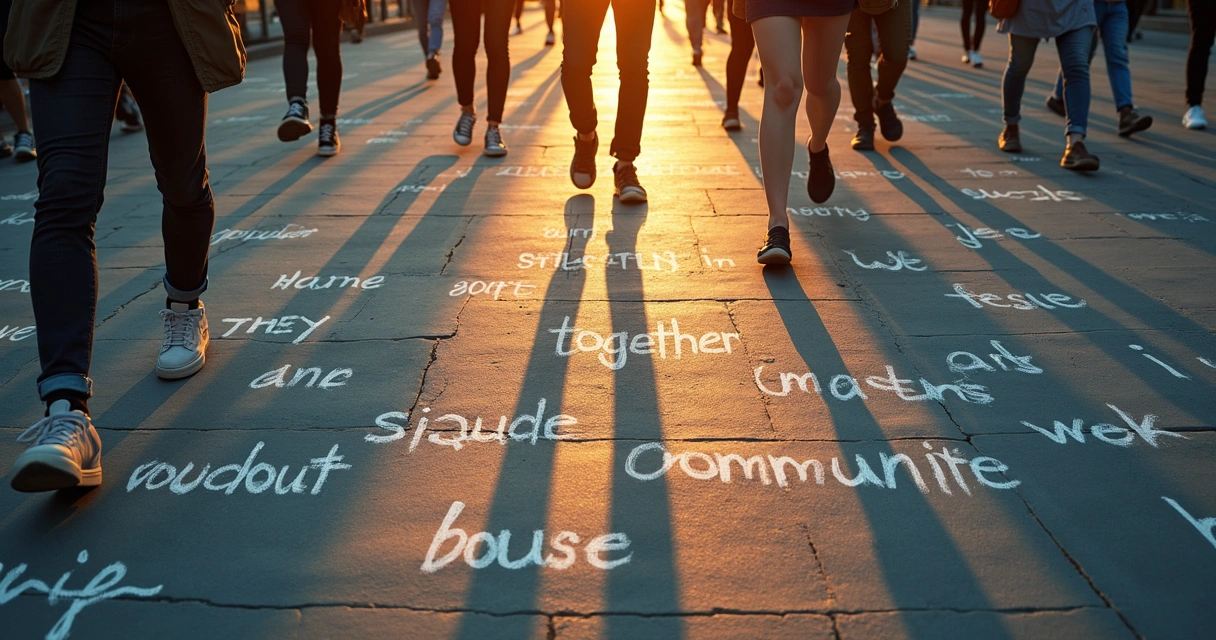


There is a quiet story always being written inside each of us. At the same time, the world outside hums with narratives built by many voices, woven together over time. The meeting point of the personal and the collective is where the true dynamics of culture, society, and even our well-being take shape. To understand how we influence and are influenced, we need to know what sets our inner narrative apart from the collective story.
The source of meaning: Inside versus outside
Our inner narrative is the story we whisper to ourselves, shaping our self-image, values, and choices before we even interact with others. It is generated from our experiences, feelings, and private reflections—the products of solitude, memory, and the trials we face alone.
In contrast, the collective story is shaped by shared history, myths, and social norms. It is negotiated and agreed upon in groups, growing with every generation as part of our collective conversations and rituals. While our personal stories start in silence and introspection, collective stories are born in the open, where voices collide and communities find common ground.
Scope and impact: The ripple effect
Our inner narrative directly impacts our mood, self-worth, and behavior. It is focused, often looping over personal concerns and private hopes. Even though it may feel contained, it sends ripples into every choice we make, quietly influencing our family, friendships, and broader connections.
The collective story, by contrast, touches many people. It shapes laws, traditions, and even the expectations we never question. Think of how stories of heroism or hardship, passed down in a community, affect how people act in times of crisis or celebration. These shared stories bind people together or push them apart.
Stories shape worlds; worlds shape stories.
Control versus consensus
The inner narrative is mostly a solo journey—private, flexible, and guided by our willingness to reflect or grow. We decide what to believe about ourselves. Sometimes, with effort, we change or rewrite these beliefs.
The collective story, however, is a dance of agreement, sometimes conflict. It evolves through discussion, debate, and negotiation. No one controls it alone. Communities decide which parts to remember and which to forget. Changes take time—sometimes decades or even generations.
The pace of change
If we pause and reflect, a single moment can change our inner story—one insight, one experience can bring sudden understanding or shift our beliefs. This change can be quick, surprising, and deeply personal.

Collective stories rarely move so fast. They resist quick turns. Built by many, with layers of meaning, they shift only when enough people agree to let go of what was, or when a society is forced by events to rewrite what it thought was true.
Visibility and influence
Our inner narratives work behind the scenes, invisible to others unless we choose to reveal them. Most of the time, they color our expressions, our reactions, and sometimes our silences. But they go unspoken, their influence hidden from plain view.
The collective story is public, repeated in classrooms, media, ceremonies, and shared jokes or fears. When we step outside, we meet these collective ideas—sometimes finding comfort, sometimes tension, as the group’s identity meets our personal sense of self.
Origin of conflict: Personal and social
We often face internal conflict when our inner story clashes with the collective story around us. For example, if the collective story says “success means wealth” and our inner story values quiet contribution or creativity, tension grows.
This tension can become a source of innovation—sparking new collective ideas—or it can create suffering, as people feel pressure to fit stories that do not match their truth.
When stories conflict, growth or pain follows.
From individual to collective: The power of exchange
When we share our inner narratives, especially with courage or vulnerability, the collective story begins to flex. Social change often starts with a few people daring to name new stories—or question old ones. Over time, new patterns emerge in how communities speak, think, and act.
- A writer puts a personal struggle into words, inviting many to relate and rethink.
- A family passes down a story of kindness, slowly shifting values in a neighborhood.
- A group challenges a harmful tradition, offering a new collective path forward.
The exchange is never one-way. As we grow and change, so does the society we belong to. The collective story is taught, but always being rewritten in response to the whispers of many inner narratives.
Seven key contrasts summarized
- Source: Inner narratives are personal and private; collective stories are social and shared.
- Scope: Inner narratives shape one life; collective stories guide many.
- Control: We guide our inner narratives; collective stories are built by all.
- Pace of change: Inner narratives can change quickly; collective stories shift slowly.
- Visibility: Inner narratives are mostly hidden; collective stories are public.
- Conflict: Tension appears when inner and collective stories clash.
- Exchange: Personal stories can reshape the collective story, and collective ideas can shape new personal narratives.
Each contrast brings both freedom and responsibility. We hold the power to notice when our inner narrative drifts from the collective story, and to ask ourselves what conversation or change is needed.

Conclusion
The stories we tell ourselves and the stories we inherit or share with others are not separate worlds, but two currents shaping the same river. By becoming more aware of these seven contrasts, we can move through daily life with more understanding—of ourselves and of the world outside. This creates clarity, resilience, and the quiet strength to change both personal and collective futures.
We are shaped by stories—both whispered and shouted.
Frequently asked questions
What is an inner narrative?
An inner narrative is the private story we tell ourselves about who we are, what we have experienced, and what we expect from life. It is built from our beliefs, emotions, memories, and hopes, often without us even realizing it. This internal story shapes our choices, behaviors, and how we react to the world.
What is a collective story?
A collective story is a shared narrative that groups of people believe, repeat, and live by. It includes traditions, myths, social norms, and historical memories. These stories guide how communities organize themselves, what they value, and the rules they follow.
How do inner narratives shape behavior?
Inner narratives act like a filter for our experiences. They tell us what is safe or possible, what we are worthy of, and how we should respond to others. For example, believing “I always mess up” can make someone avoid risks or give up easily. A positive inner narrative, such as “I learn from mistakes,” encourages resilience and new attempts.
Why are collective stories important?
Collective stories bind people together, help define what is acceptable or admirable, and offer meaning beyond individual experience. They give us reference points for action, belonging, and understanding the past and future. These stories can inspire progress or preserve traditions.
How do the two narratives differ?
The inner narrative is personal, shaped by one person’s thoughts and feelings, and can change quickly with new insight. The collective story is public, created by many, changes more slowly, and remains visible in shared experiences, rituals, and spoken beliefs. Both influence each other, but they travel different paths.