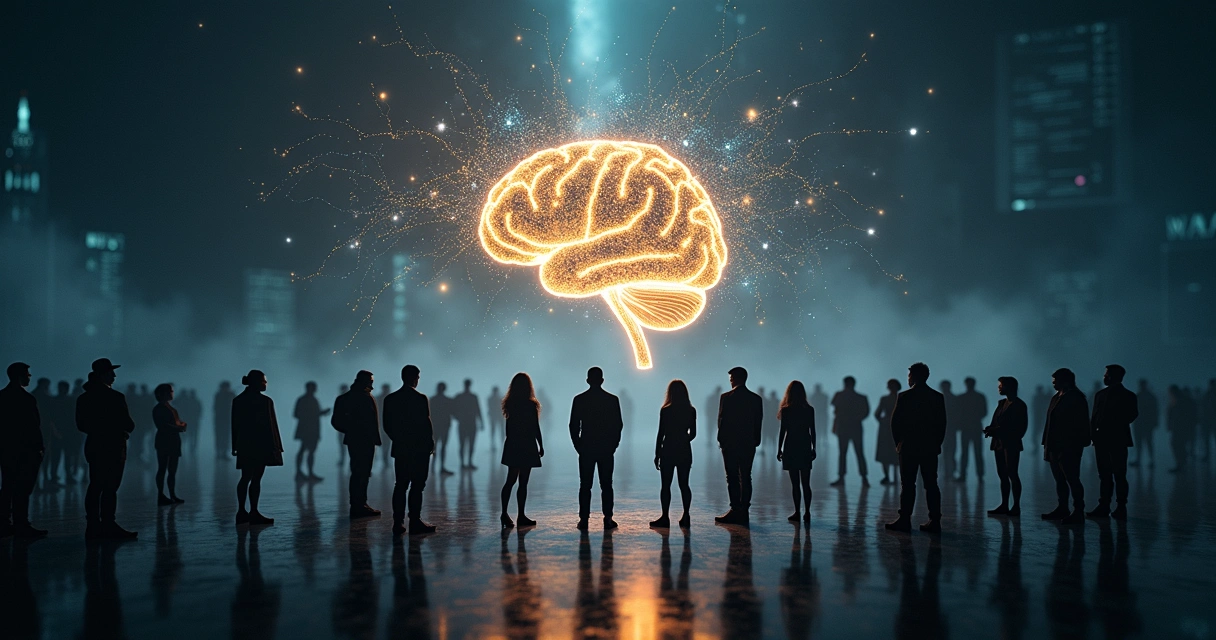
We live in a time when collective innovation is discussed everywhere. Teams, organizations, and communities celebrate the idea of breaking new ground together. But beneath the surface of brainstorming sessions and project sprints, a force quietly shapes what is born and what never comes to light: unconscious intention. It is the inner script that influences our perceptions, group choices, and, ultimately, the innovation that emerges.
What is unconscious intention?
Unconscious intention is the underlying emotion or drive guiding our actions and decisions, even when we're not fully aware of it. Unlike conscious goals set during a meeting or written in a strategy document, unconscious intentions often form from our beliefs, fears, and hopes absorbed over years. They carry silent messages about what is possible, safe, or acceptable within a group.
As we engage in group work, these hidden intentions begin to influence not only the words we speak, but how we listen, react, and create with others. They color our motivations and quietly set boundaries for our collective imagination.
How unconscious intention shapes a group's creative output
Innovation, by nature, means moving into unknown territory. But our unconscious intentions may resist that movement. In our experience, we see them operate in several ways:
- Risk aversion: When the hidden intention is to avoid blame, groups tend to generate safe, conventional ideas instead of daring new projects.
- Need for approval: If the underlying wish is to gain approval from leaders or peers, different perspectives may not be voiced, and ambitious suggestions can be held back.
- Hidden competition: Unspoken rivalry can shape group collaboration, making people withhold knowledge or resist others' ideas, silently stalling progress.
- Desire for harmony: Sometimes, the unspoken drive is to avoid conflict at any cost, causing quiet disagreement but visible compliance, which weakens the root of true innovation—constructive tension.
We have witnessed teams gather to "brainstorm" without realizing that, beneath the enthusiasm, some members are unconsciously protecting themselves from criticism or failure. The ideas that surface often echo what is already accepted, not what could truly change the game.

The invisible hand of emotions in idea sharing
When we look closer, the energy with which ideas are shared or dismissed often comes from unconscious emotional intentions. Here’s a moment most of us know: An idea is offered hesitantly, and the group lukewarmly responds. Instead of encouraging exploration, the group quietly backs away from what feels risky. The origin? Often, a silent current of caution or fear running beneath the group dynamic.
Unspoken emotions often set the temperature of group creativity—sometimes fueling bold moves, sometimes freezing them out.
We note that in groups where trust is low and judgment high, people may unconsciously intend to avoid vulnerability. This intention shapes every suggestion, as bold and unconventional ideas require emotional safety.
The feedback loop between individual and collective intention
Each person’s unconscious intention feeds into the group. But as we work in teams, what happens collectively starts to reinforce and magnify what happens inside each of us. This creates a feedback loop:
- Group culture amplifies certain intentions, such as caution or ambition, depending on energy patterns over time.
- Individuals adapt by aligning their own unconscious intentions to match the dominant group tone.
- This dynamic can "lock in" a collective state, fueling more of the same ideas and behaviors.
We have observed that groups with strong, clear collective intention—often patiently nurtured—reliably produce greater creative breakthroughs. But if the collective field is tense, fearful, or divided, even the best creative exercises rarely escape that gravitational pull.

How unconscious intention affects innovation processes
We find that unconscious intentions not only decide which ideas are accepted but also influence how innovation is organized and implemented. For example:
- If the unspoken agreement is that failure is shameful, the group will unconsciously create processes to avoid public mistakes, which limits risk and reduces innovation.
- If the hidden wish is to maintain a sense of control, flexible and experimental methods may seem threatening, and teams will favor predictable, less creative routines.
- Where there is an unconscious hope for transformation and growth, the group tends to build practices that reward curiosity, open thinking, and even constructive disagreement.
Our experience tells us that innovation is not only about good ideas or clever systems. The invisible forces guiding our choices—our intentions, even unacknowledged—are what set the stage for new possibilities or the silent repetition of the old.
Making the unconscious more conscious: Pathways to authentic innovation
Is it possible to influence unconscious intention and create a more fertile space for collective innovation? We believe so. It starts with paying attention, both personally and as a group. These questions can open the door:
- What emotion is truly present during our collaboration—curiosity, anxiety, hope, fear?
- Do we feel free to bring new ideas, or is there a subtle caution holding us back?
- What would happen if we introduced more openness about our doubts and dreams?
Practices that encourage honest reflection, invite feedback, or bring awareness to group patterns can help shift intention from unconscious to conscious. When we do this, something remarkable happens:
Collective innovation becomes a field of shared discovery, not just shared work.
Teams become gardens where creativity, learning, and even healthy disagreement can grow. As intention shifts, the culture becomes more transparent, and true innovation follows—not because of pressure, but because there is room for it to emerge.
Conclusion
Unconscious intention is not a minor factor in collective innovation. It is a silent architect shaping the real boundaries of what a group can achieve together. When we bring greater awareness to our individual and group intentions, we set the stage for innovation that is both creative and sustaining. The journey toward transformative ideas does not begin in external methods alone, but in the invisible beliefs we hold within and share—knowingly or not—with others. If we want to build new futures, we must start by seeing, and shifting, the intentions that guide us now.
Frequently asked questions
What is unconscious intention in innovation?
Unconscious intention in innovation is the underlying drive or emotion influencing our choices in creative processes, even when we are not aware of it. These hidden motives shape both individual behaviors and group dynamics in teams working to create something new.
How does unconscious intention impact teams?
Unconscious intention affects teams by setting the emotional and psychological tone of collaboration. If the hidden intention is to avoid conflict, people may hold back ideas. When the unspoken aim is mutual growth, openness and fresh thinking are more likely to flourish within the group.
Can unconscious intention boost creativity?
Yes, unconscious intention can boost creativity when it aligns with curiosity, excitement, or openness to learning. If the unspoken drive behind group work is growth and exploration, teams often feel safer to experiment and innovate more effectively.
How to recognize unconscious intention at work?
Signs of unconscious intention at work include atmosphere, body language, and common patterns—such as who speaks up, how disagreements are handled, or which ideas gather energy. Reflecting on what feels "allowed," easy, or off-limits in a group often reveals the underlying intention.
Why is collective innovation important?
Collective innovation is important because it brings together diverse skills, perspectives, and experiences. This mix allows for more powerful solutions. When a group works creatively as one, it can break through boundaries that individuals alone may not cross.